5 Signs Your Louisville Commercial Property Needs Ongoing Maintenance
.jpeg)

Many commercial property issues don't start as emergencies. They start small — a damaged door, worn flooring, failing caulk, water staining, loose hardware, cracked finishes, or neglected punch-list items that get pushed off for "later."
The problem is that later usually costs more.
At Killian's Contracting Group, we work with commercial clients who need more than one-time repairs. They need a reliable maintenance partner who can help protect the building, reduce disruption, and keep small issues from turning into larger capital expenses.
Here are five signs your property may need a more proactive maintenance approach.
1. Small repairs keep getting deferred
If your team is constantly making a list of minor repairs but rarely getting ahead of them, that's a sign the building is being managed reactively instead of proactively.
This often includes items like:
- damaged drywall
- worn paint
- broken trim
- sticking doors
- hardware issues
- flooring damage
- ceiling tile replacement
- tenant punch-list work
None of these may feel urgent on their own. Together, they create a property that feels neglected and becomes more expensive to maintain over time.
2. The same issues keep coming back
If a repair keeps resurfacing, the issue may not be the repair itself — it may be the lack of a structured maintenance plan or the wrong fix being applied each time.
Recurring building issues often point to:
- incomplete repairs
- poor coordination
- underlying wear that has not been addressed
- lack of documentation on what was previously done
A good maintenance program creates consistency. It helps track repeated issues, spot patterns, and address root causes instead of just symptoms.
3. Tenant or occupant complaints are increasing
Commercial buildings don't have to be falling apart to create frustration. A space that is visibly worn, slow to get repaired, or full of nagging small issues affects how occupants feel about the property.
In tenant-facing environments, this can lead to:
- more complaints
- lower satisfaction
- strained tenant relationships
- avoidable turnover risk
- a weaker impression for customers and visitors
Maintenance isn't just about the building. It's also about the experience people have inside it.
4. Your property always feels one step behind
Some buildings aren't in crisis, but they're never truly caught up. There's always another repair pending, another unfinished area, another item waiting for the right time.
That often means the property needs:
- a prioritized repair plan
- a consistent contractor relationship
- scheduled maintenance visits
- better visibility into recurring needs
This is where ongoing maintenance becomes more valuable than one-off service calls. Instead of solving one problem at a time, you create a process for staying ahead.
5. You are spending money without improving condition
Reactive maintenance often feels cheaper in the moment, but it tends to cost more over time because the property never really improves.
If you're paying for repairs but still seeing:
- the same visible wear
- repeated callbacks
- unfinished punch-list items
- poor response times
- declining overall appearance
then the issue may be the lack of a dependable maintenance strategy.
Why proactive maintenance matters
A strong maintenance program helps commercial owners and managers:
- reduce avoidable repair costs
- keep spaces safer and more functional
- improve presentation
- reduce disruption to tenants or operations
- extend the life of building finishes and components
- make budgeting more predictable
For many businesses, the real value is peace of mind. They know who to call, what the process is, and that small issues won't be left sitting until they become bigger ones.
A better approach for commercial properties
At KCGI, we help commercial clients stay ahead of repairs with practical maintenance support and responsive field coordination. Whether the issue is cosmetic, functional, or operational, the goal is the same: keep your property looking professional and working the way it should.
If your building always seems to have a running repair list, it may be time to move from occasional fixes to a more structured maintenance approach.
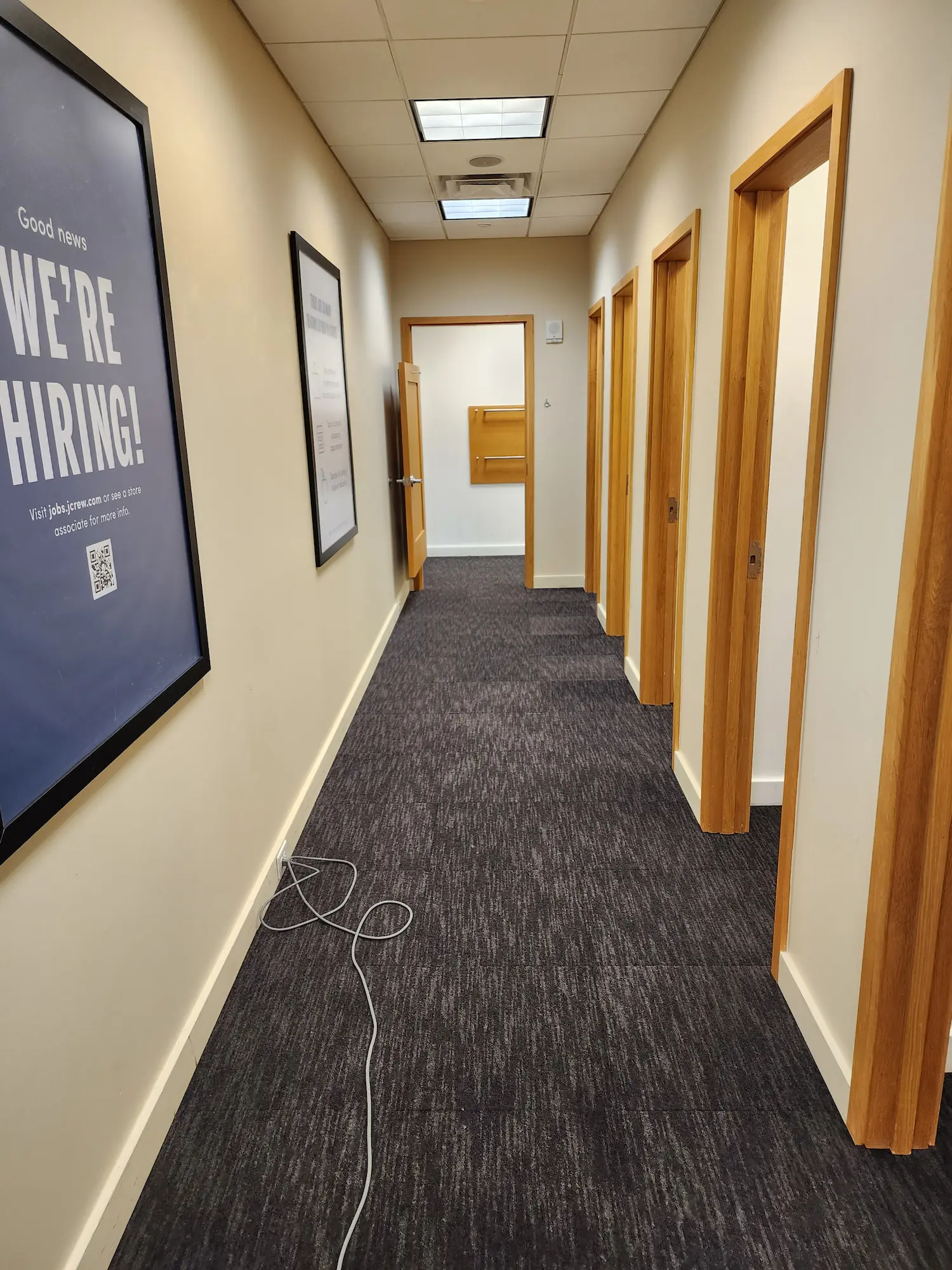
Tenant Closeouts & Commercial Unit Turns in Louisville, KY
.jpg)
How Weather and Seasons Affect Remodeling Projects in Louisville, KY
Which Kitchen Upgrades Actually Add Resale Value (and Which Ones Are Just for You)
.jpg)